
Reclaiming the Narrative: Why Qualified Clinicians Must Engage in Social Media
Addressing health misinformation as an extension of care and professional responsibility, with a practical guide for doing it well.

Jun 12, 2026 · 12 min read
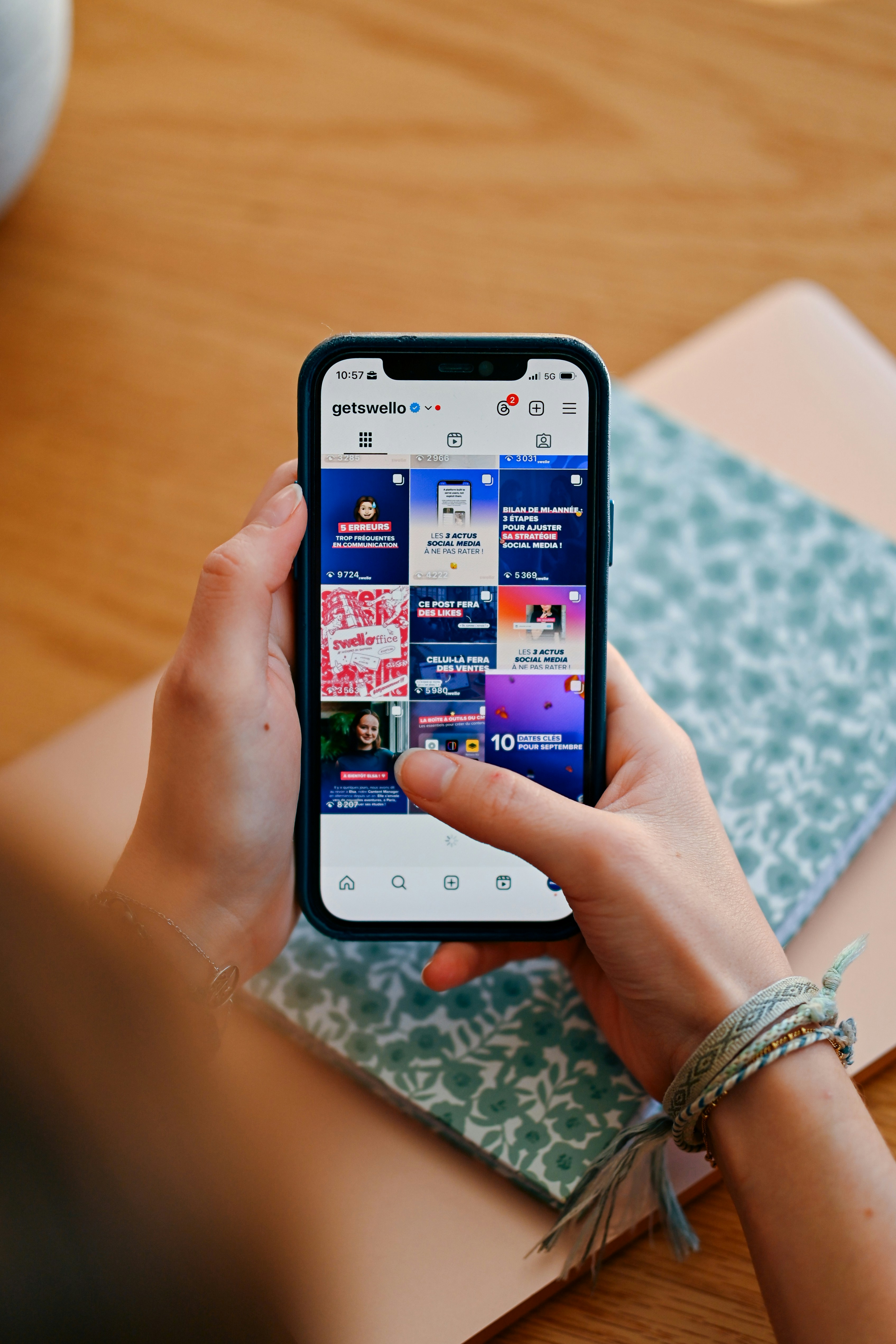
Patients Are Being 'Educated' Before Their Healthcare Visits
Health information is no longer introduced for the first time in the exam room. It's first encountered through short-form videos, podcasts, Reddit, and online communities that shape beliefs about nutrition, obesity, medications, and public health long before a clinical conversation begins. By the time patients present for care, they may already hold strong views about medications, chronic disease management, nutrition, and supplements. These views are often shaped by content that is persuasive but not evidence-based. As a result, the clinical encounter increasingly involves not only diagnosis and treatment, but also interpretation of prior information exposure.
If you're an outpatient clinician like me, you probably hear "I've done my research on [X health-related topic]" or variations of the phrase from patients every time you're in clinic. In most circumstances this statement is equating the scientific method to scrolling through various social media platforms flooded with misinformation and pseudoscience. Social media now functions as a parallel health education system without consistent standards for evidence, credentialing, or accountability. The impact creates confusion and influences behavior, treatment decisions, and trust in healthcare.
The Scale of the Problem
Health misinformation is widespread, persistent, and clinically relevant. A 2021 systematic review found that misinformation is prevalent across major social media platforms, particularly in areas such as vaccination, noncommunicable diseases, and eating disorders.1 In 2021 the U.S. Surgeon General identified health misinformation as an urgent threat to public health due to its ability to discourage prevention, delay appropriate care, and erode trust in health institutions.2
"Exposure to misinformation is malignant and repeated exposure to false or misleading claims can shape beliefs and influence decisions even after those claims are corrected."4
Nutrition is especially vulnerable. Online dietary advice is often oversimplified, commercially influenced, and misaligned with current evidence, particularly when delivered by individuals without relevant clinical training.3 This persistence has direct implications for chronic disease management, adherence, and risk perception. Recent analyses continue to reinforce that misinformation remains highly visible, rapidly disseminated, and difficult to counter once established.5
Why Misinformation Spreads So Effectively
Misinformation thrives by being engaging, simplistic, and emotionally compelling versus accurate, high-quality evidence-based information. Many grifters have perfected how to align with their audiences' identity or community beliefs; mothers are an especially vulnerable population to this tactic. They also target vulnerabilities of the audience they're trying to reach and often have a simple "solution" connected to products or monetization. For example, urging women in midlife going through perimenopause to purchase a supplement claiming to "balance hormones" that lacks any randomized trial conducted by a third party to verify effectiveness and lack of harm.
In contrast, evidence-based communication reflects nuance, uncertainty, and individualized care. While clinically appropriate, this can be less compelling in fast-paced digital formats. This imbalance allows confident, simplified messages to gain traction, particularly when qualified professionals are underrepresented.
The Importance of Clinician Presence
Patients are already engaging with health content online and qualified professionals can help shape what they're exposed to. Clinicians can also bring essential elements that are often absent in high-visibility content including training in evidence appraisal, defined scope of practice, ethical and professional accountability, and experience managing uncertainty and individual variability.
When clinicians engage in public education, they can provide context, correct inaccuracies, and reinforce evidence-based care. This is particularly important in obesity care, women's health, and pediatrics, where patients are more vulnerable, often have heightened insecurities and uncertainties, and where misinformation and financial interests frequently intersect.
When clinicians are absent from social media spaces, patients end up relying on unqualified content creators who lack clinical training and education. They're also more likely to fall victim to spending money on ineffective, potentially harmful products and services due to commercial narratives that dominate conversations around health. Remaining silent as clinicians generates risk of more misunderstanding of complex conditions and may continue eroding trust in evidence-based care.
What Responsible Participation Looks Like
Clinicians do not need to become influencers to have impact. Effective participation can remain focused, professional, and grounded in clinical standards.
Examples include:
- Addressing common misconceptions seen in practice
- Using clear, evidence-supported language
- Creating brief, reusable educational content
- Explaining new research in clear, contextualized terms
- Addressing sensationalized headlines and pointing out what's exaggerated
- Clarifying risks, benefits, and limitations of treatments
- Teaching audiences how to evaluate health claims
- Directing patients to reputable resources
- Explaining the scientific method and hierarchy of study types
- Collaborating with interdisciplinary peers
- Maintaining boundaries between education and medical advice
Professional boundaries are essential: stay within scope of practice, avoid individualized medical advice, disclose uncertainty and any conflicts of interest, protect patient privacy, and ground content in evidence. Impact should be measured by improvements in patient understanding and trust, not just follower count and views.
A Practical Guide: Teaching Patients Media Literacy
1. Normalize the Conversation
Ask patients where they are getting their health information. Approach this without judgment. Exposure to misinformation is common.
2. Use a Simple Credibility Framework
Encourage patients to ask:
- Who is the source?
- What are their credentials and scope?
- Are they selling something related to the claim?
- Do they cite high-quality evidence?
- How certain are they?
Overly confident, absolute claims should prompt caution.
3. Clarify Anecdote vs. Evidence
Personal stories, testimonials, and before-and-after images do not establish safety or effectiveness.
4. Teach Evidence Hierarchies
Stronger evidence typically includes systematic reviews, randomized trials, and professional guidelines. Lower-quality evidence includes anecdotal reports and unsupported claims.
5. Encourage Pause and Discussion
Advise patients to pause before acting on or sharing health content and to bring questions into clinical care conversations.
Helping Patients Identify Qualified Professionals
Green Flags
- Relevant, verifiable credentials
- Clear scope of practice
- Evidence-based explanations
- Transparency about uncertainty
- Disclosure of financial relationships
Red Flags
- Claims of hidden or suppressed medical knowledge
- Promises of rapid or universal results
- Heavy reliance on anecdote or personal experience
- Aggressive or repetitive product promotion
- Speaking outside scope (e.g., a personal trainer claiming expertise in medications)
- Absolute or fear-based language
A System-Level Opportunity & Conclusion
Addressing misinformation requires coordinated effort. Health systems, professional organizations, and digital health platforms can support clinicians through media and communication training, protected time for public education, interdisciplinary collaboration, and infrastructure for evidence-based responses. Creating educational content for the public should be treated as part of preventive care.
Health misinformation continues to shape how patients understand disease, treatment, and risk. When qualified professionals are absent from widely used information channels, less reliable voices fill that space. Expanding clinician presence in social media is about extending evidence-based care into the environments where patients are already forming beliefs and making decisions. Patients have more access to information than ever, but what they actually need is access to interpretation that's grounded in clinical expertise, evidence, and accountability.
Key Takeaways
- Social media is a primary source of health information, meaning clinicians are responding to pre-formed, and often misinformed, patient perspectives rather than starting from a neutral baseline.
- Beyond a knowledge gap, misinformation influences patient behavior, treatment decisions, adherence, and trust in healthcare systems.
- Even when corrected, misleading claims can persist in patients' thinking, directly impacting chronic disease management and risk perception.
- Content that is definitive, emotional, and tied to identity or commercial incentives often spreads more effectively than nuanced, evidence-based communication.
- When qualified professionals are not present, untrained and financially motivated voices fill the space, shaping patient expectations and standards of care.
- High-impact participation can include addressing common misconceptions, explaining evidence in plain language, and guiding patients toward credible sources while maintaining professional boundaries.
- Teaching patients how to evaluate sources, recognize conflicts of interest, and distinguish evidence from anecdote is a practical and necessary extension of patient education.
References
- Suarez-Lledo V, Alvarez-Galvez J. Prevalence of health misinformation on social media: systematic review. J Med Internet Res. 2021;23(1):e17187. View link
- Office of the Surgeon General. Confronting Health Misinformation: The U.S. Surgeon General's Advisory on Building a Healthy Information Environment. US Department of Health and Human Services; 2021. View link
- Nagler RH. Adverse outcomes associated with media exposure to contradictory nutrition messages. J Health Commun. 2014;19(1):24-40. View link
- Ecker UKH, Lewandowsky S, Cook J, et al. The psychological drivers of misinformation belief and its resistance to correction. Nat Rev Psychol. 2022;1:13-29. View link
- Bruns H, Schlupp S, Rummel-Kluge C. Health misinformation in social media: a scoping review. Curr Opin Psychiatry. 2024;37(5):395-401. View link